

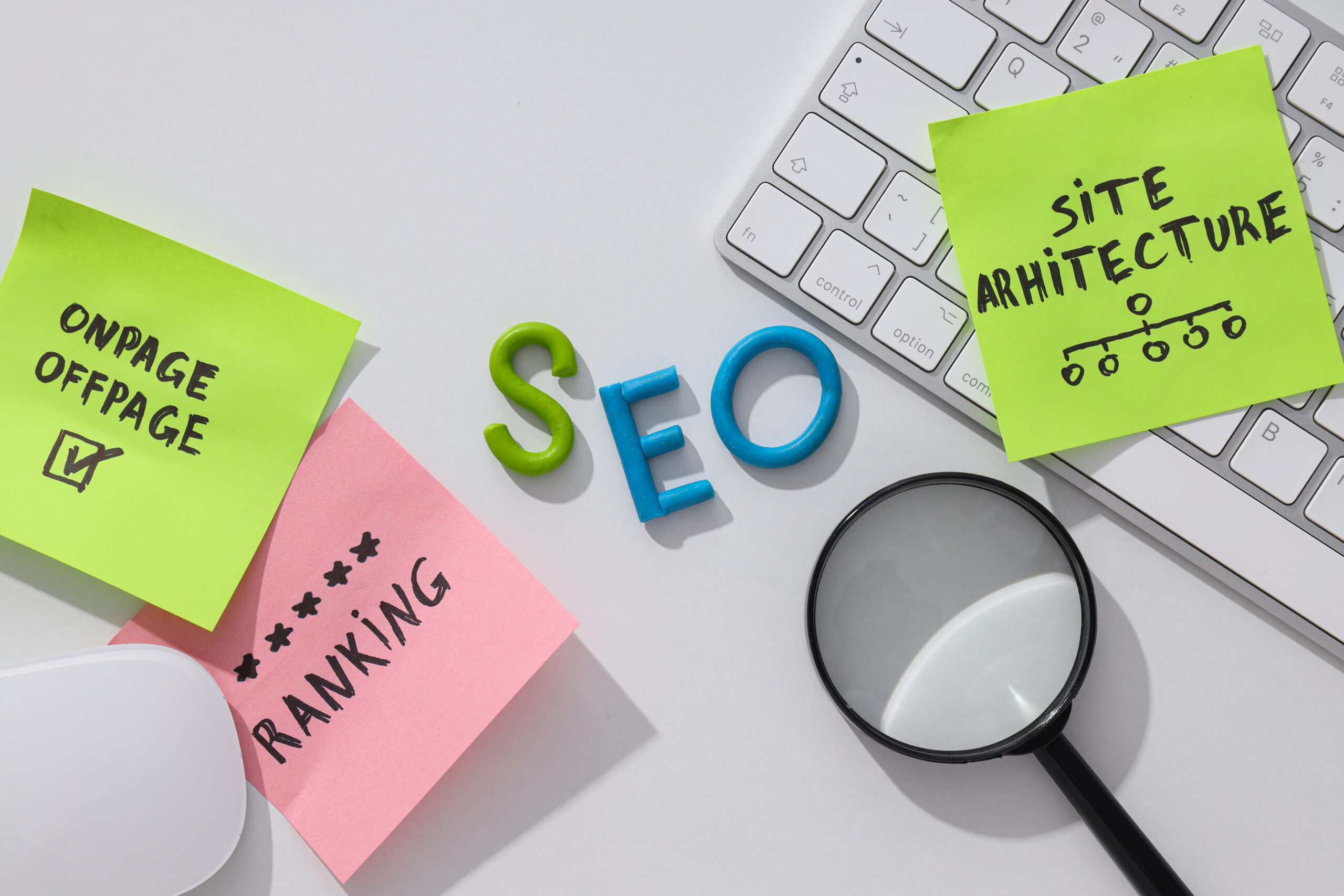
On page SEO is one of the most important aspects of search engine optimization. It focuses on optimizing elements within your website to improve search visibility and user experience. Unlike other SEO methods, on page optimization gives you full control over how your content is structured and presented.
When done correctly, on page SEO helps search engines understand your content better and improves your chances of ranking higher. It also ensures that visitors have a smooth and engaging experience on your website.
On page SEO includes all the elements that you can optimize directly on your website. This includes content, headings, images, and structure.
Search engines analyze these elements to determine the relevance and quality of your content. A well optimized page increases your chances of appearing in search results.
Understanding these basics helps you build a strong foundation.
Titles and headings play a key role in SEO. They help search engines and users understand what your content is about.
Use clear and relevant titles that include your main keyword. Organize your content with proper headings to improve readability.
Well structured headings make your content easier to follow.
Content is the most important part of on page SEO. Your content should be useful, informative, and easy to understand.
Focus on solving problems and answering questions. Avoid unnecessary complexity and keep your writing simple.
High quality content keeps users engaged and improves rankings.
A clean and simple URL structure makes your website easier to understand. Use short and descriptive URLs that reflect your content.
Avoid using unnecessary words or numbers. Clear URLs improve both user experience and SEO.
Consistency in URL structure is important.
Images enhance your content and make it more engaging. However, they should be optimized for better performance.
Use proper file names and descriptions for your images. This helps search engines understand them.
Optimized images also improve page loading speed.
Internal linking connects different pages on your website. It helps users navigate easily and improves content structure.
Link related content to provide more value to your readers. This also helps search engines understand your website better.
Strong internal linking improves overall SEO.
Page speed is an important factor in user experience and search rankings. Slow pages can lead to higher bounce rates.
Optimize your website by reducing unnecessary elements and improving loading time.
A fast website keeps users engaged.
Mobile optimization is essential as most users access websites through their phones. Your website should work smoothly on all devices.
Responsive design improves usability and keeps visitors engaged.
Search engines also prioritize mobile friendly websites.
Tracking your performance helps you identify areas for improvement. Analyze metrics like traffic, engagement, and bounce rate.
Use this data to refine your strategy and improve results.
Regular monitoring ensures continuous growth.
One common mistake is keyword stuffing. Overusing keywords can harm your ranking.
Another mistake is ignoring user experience. Poor design and structure can reduce engagement.
Also, avoid duplicate content. Original content is important for SEO.
Strong on page SEO builds the foundation for better visibility and growth.
On page SEO is a powerful way to improve search visibility and user experience. By optimizing your content, structure, and performance, you can achieve better rankings.
Start with simple improvements and keep refining your strategy. With consistent effort, on page SEO can deliver strong and lasting results.















Leave A Reply Now